
This article was originally a thread on social media, which is why it is formatted with lots of images and short responses.
The text is about the image below that paragraph.
I’m currently obsessed with the history of clothes pegs. When did humans start using clothes pegs?
When did they even start using lines to hand laundry from?
Was it a medieval thing?
Now I need to know.
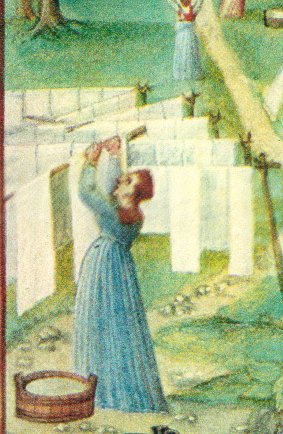
This illustration is from 1531. No lines, no pegs:

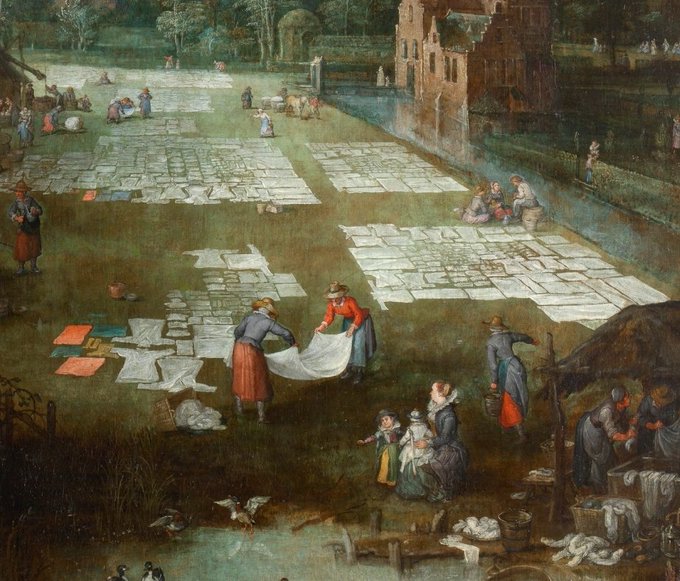
Bleekveld in een dorp (Bleachfield in a village), circa 1650 (Jan Brueghel the Younger).
No lines, no pegs.

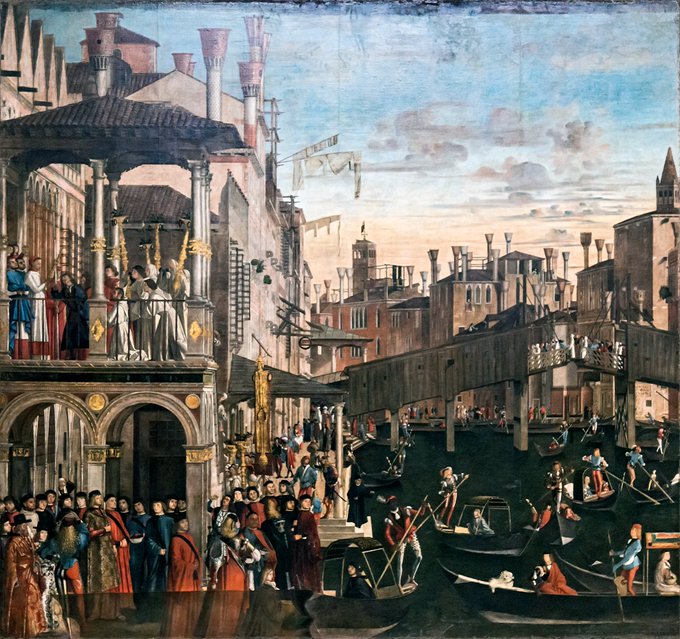
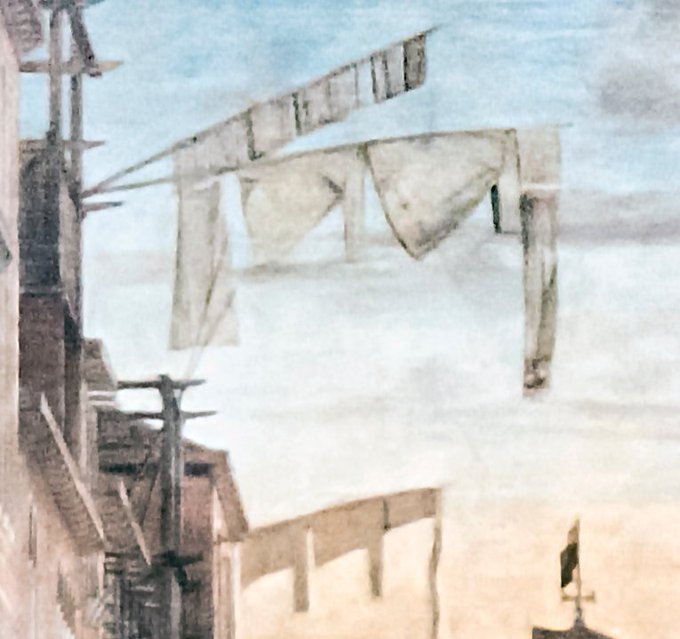
Miracle of the Relic of the Cross at the Ponte di Rialto, a painting by Italian Renaissance artist Vittore Carpaccio, dating from c. 1496.
Laundry on sticks, no lines, no pegs.
Flemish Market and Washing Place, by Flemish painter Joos de Momper, 1620. No lines, no pegs.

Finally someone using a line but in an improvised camping situation, no pegs. Fascinating stuff, it’s just something you assume people have done for ever, but now it turns out to be tricky to find clothes pegs and even clothes lines being used!
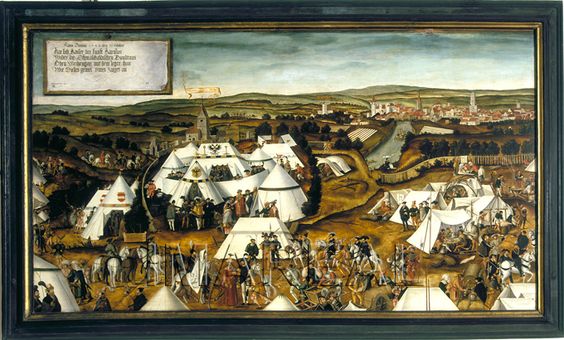

This we do have plenty of evidence for: people hanging their clothes from sticks & poles:
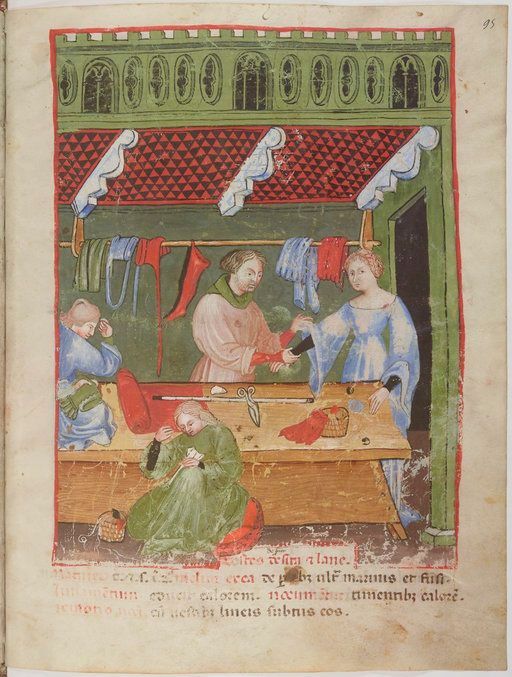
Here’s some evidence of people using clothes lines outside of Europe in 1598, but also no pegs:
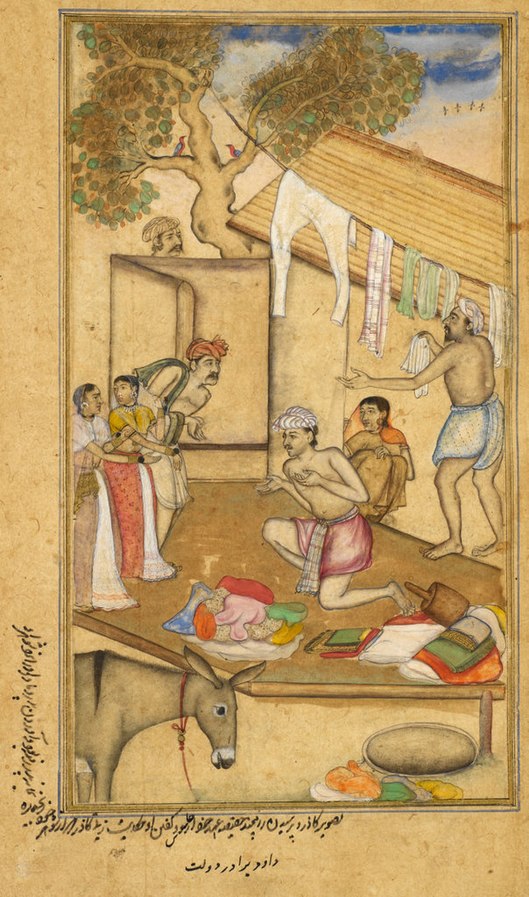
Here are the Romans, also using sticks, no lines, no pegs:”
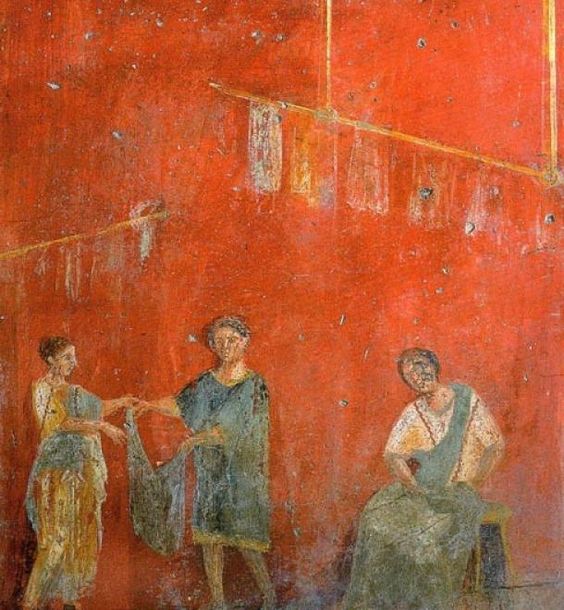
Here’s another example from the Roman empire, it’s described as “Fresco from a fullonica (laundry) in Pompeii, showing washing draped on a line without clothespins.” but it clearly shows laundry draped over a stick that’s hanging from wires:
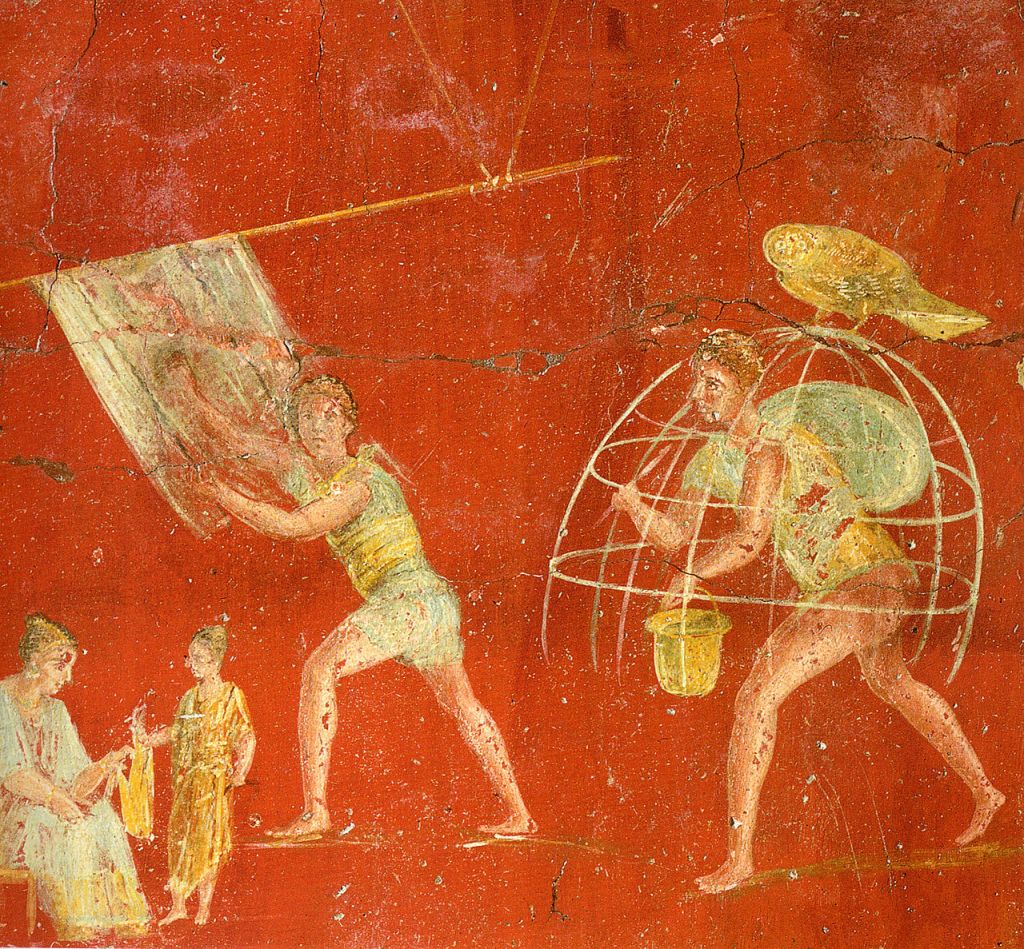
Clothes draped over a stick again;

Finally some fabric hanging from lines, but this seems to be part of silk making, not laundry? But it’s from around 1595:

Il rio dei Mendicanti (View of Venice: Rio dei Mendicanti), by Canaletto. Portego paintings, Ca’ Rezzonico, Venice, 18th century. Laundry on lines, doesn’t look draped, could use some sort of peg but alas, not detailed enough to be sure:

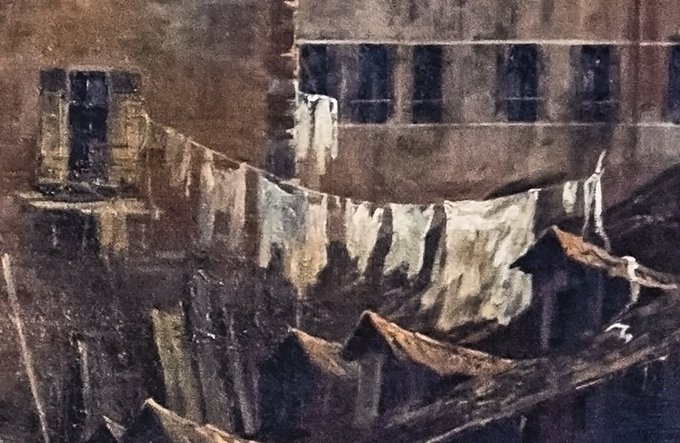
It makes sense that so many of us, including me, have just assumed that clothes pegs have been around for many centuries, they seem so simple, so easy to invent, so practical.
It’s one of those things that seem to have always existed… till you start to research them!
This fresco by Ludovico Buti (ca 1560 -1611) is an early bit of evidence that proves people used clothing lines, also fun to see they dropped something on a roof 🙂
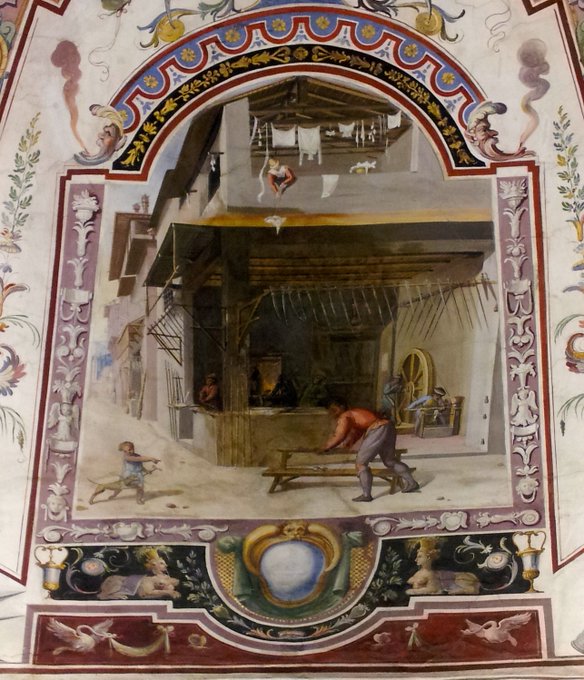
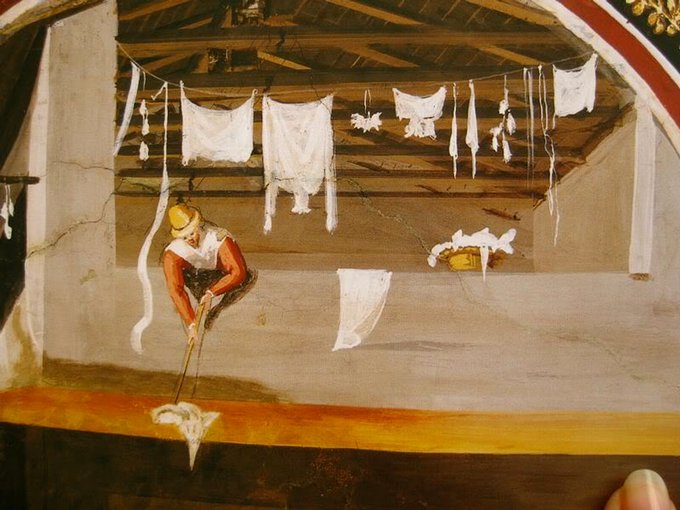
Here’s some undeniable evidence of laundry being hung on a line to dry, again no pegs;
This might the earliest example I found of washing drying on a line, also nice to see women washing their hair, but also; no pegs anywhere:

https://commons.wikimedia.org/wiki/File:Alessandro_Allori_-_Women_on_a_Terrace_-_WGA00178.jpg
So although we see clothes hanging on lines, often across streets, in film & tv shows set in the middle ages and earlier, in reality it seems that these were not a thing till centuries later.
I know, it sounds weird, difficult to imagine that people seem to have just not used rope for this job.
It looks so good and authentic, it fits our idea of what cities used to look like, as we can see here in modern depictions:



Yes, it once was a thing, before people having tumble dryers this is what they did;
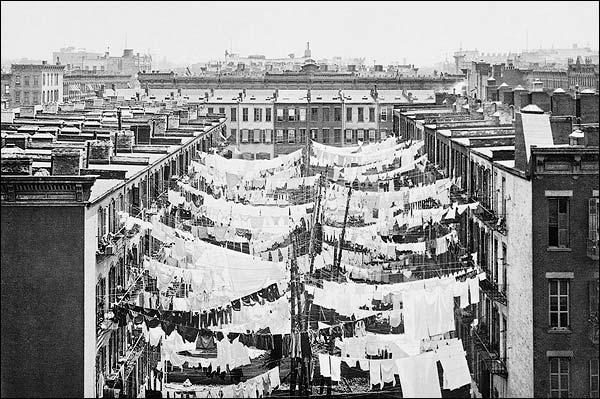
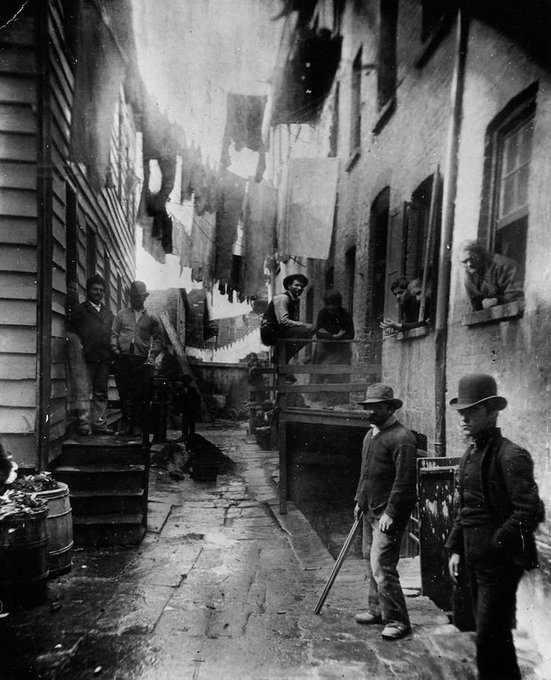
This Jacob Riis photo is from 1888:
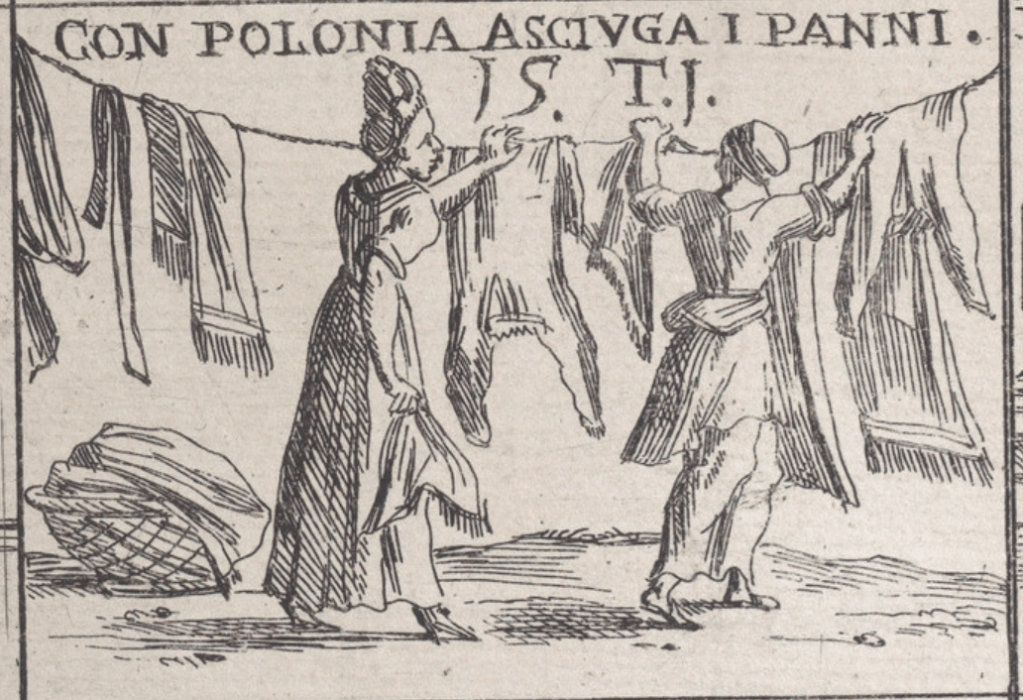
This is the earliest depiction we could find in a twitter discussion about this topic, showing laundry drying on a line across a street: L’illustrazione popolare, Napoli, 1884:
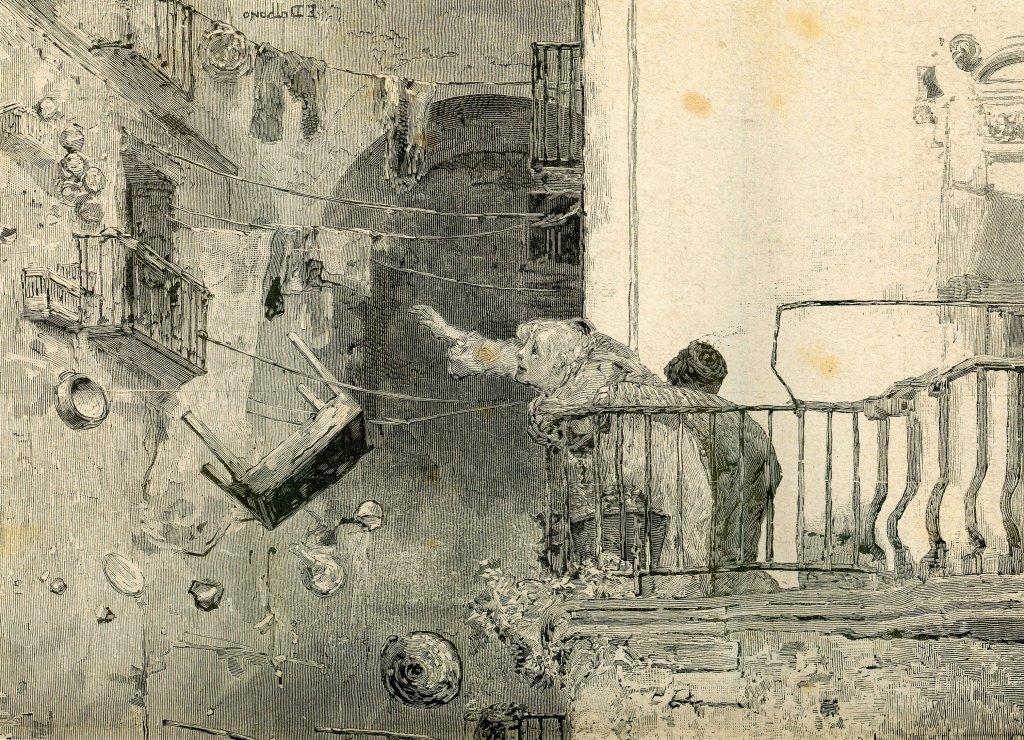
And all this actually makes sense because when you hang a rope across a street you won’t be able to reach your laundry unless you use a ladder, have arms long enough to reach across the street or if you have some sort of pulley system that allows you to pull the laundry to you.
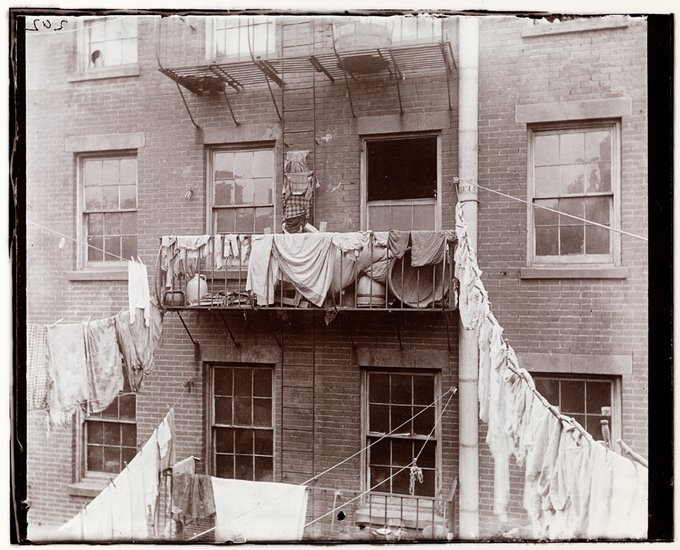
And although someone creative may have been able to make such a system themselves, perhaps a sailor or fisherman using a wooden pulley from a boat, they wouldn’t be something very common till of course they started to be manufactured on a large scale and available to the larger public.
Which is why the street crossing lines probably weren’t really a thing till the industrial revolution and cheap small pulleys being sold.
Here we have a pulley in use in a photo from 1890;

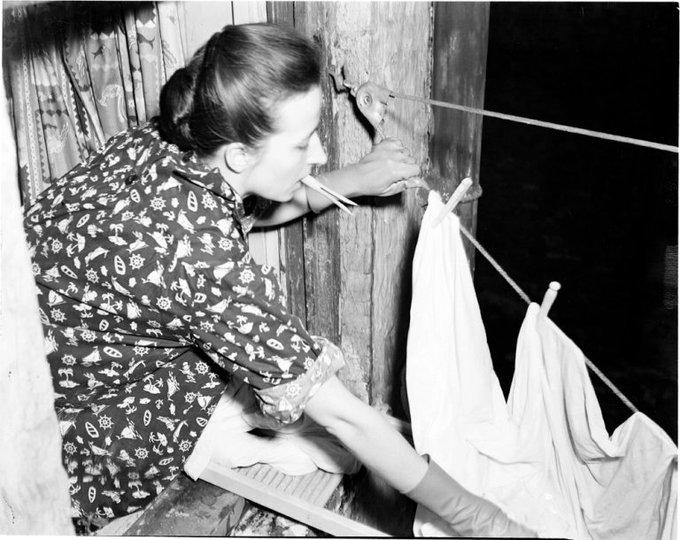
Another example from the 1940s;

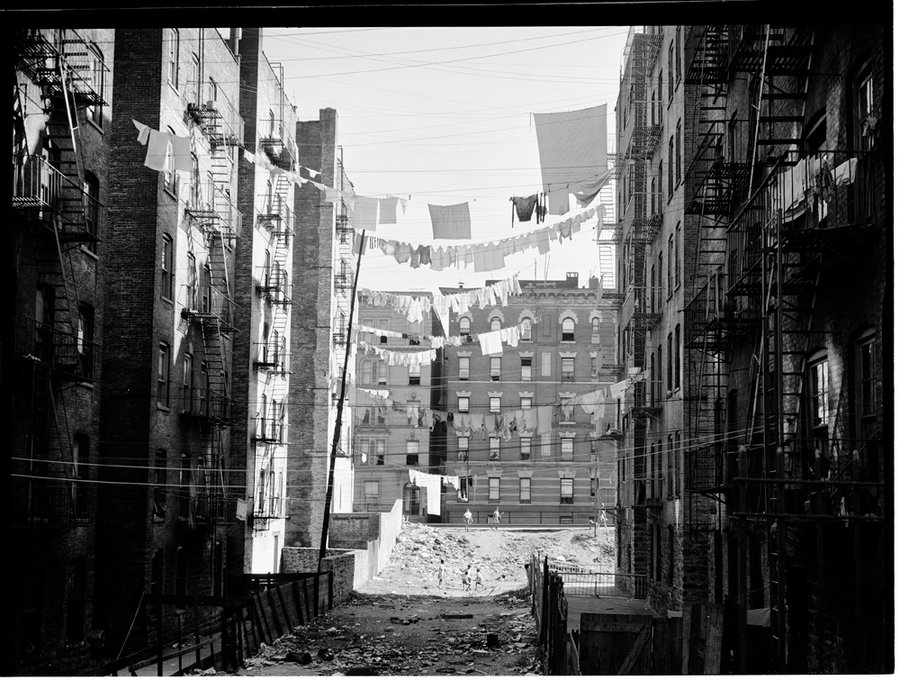
Mind you, before that time they wouldn’t be as necessary as overpopulation and lack of green spaces, fields, gardens & yards was a less common issue than it would be in 19th century cities.
The hanging laundry is such an evocative look, I get why we see it in many films.
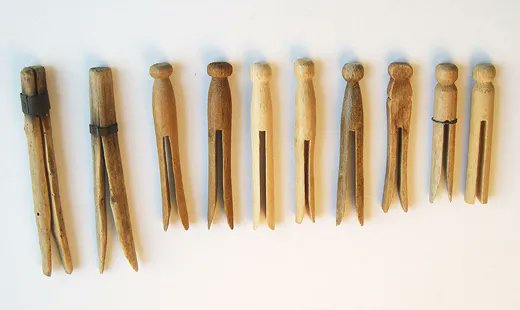
As for the clothes pegs, I can’t find any evidence of them being used till the 1800s, there’s supposedly a patent for a dolly peg belonging to a Jérémie Victor Opdebec in 1809, but I couldn’t confirm it, it may be a myth.
Besides it’s likely that people used something similar but handmade before but so far impossible to prove.
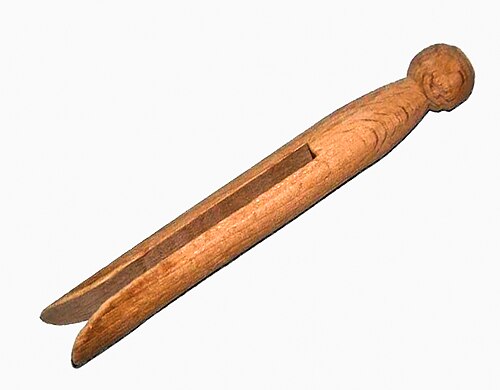
So, conclusion, for now;
I can find no evidence of people hanging their clothes on lines till the 1500s.
I can find no evidence of people hanging their clothes on lines across streets till the 1800s.
I can find no evidence of people using clothes pegs till the 1800s.
But this, like everything I do, is a work in progress, so if you find some new sources, let me know and I’ll update the article.
And once more the evil Fake History Huntress ruins watching films, tv & playing games for countless people who will no longer be able to simply be entertained but in stead start staring at the screen, looking for clothes pegs and washing lines hanging across streets in historical drama shows just so they can point & scream 😉

Thanks to everyone in the twitter discussions who took part in the debate!
Sources & other reading material;
 Fake History Hunter


You know who else hung stuff from lines, without pegs? Printers. Early printing, the kind with a flatbed press and the giant screw pressing paper against type, used thick, pre-moistened paper. After printing, the sheets of paper were hung from lines running ovehead until they dried enough to be cut or bound or whatever. Look for some illustrations of 16th to 18th century printshops!
LikeLike