
The enduring myth that Ludwig van Beethoven was black has been a subject of debate for over a century and while recent DNA evidence has definitively debunked the claim, some people still believe it.
In this article I’ll explain why people once believed it, why there’s no evidence for it and finally I’ll share the DNA evidence that ends the myth once and for all.
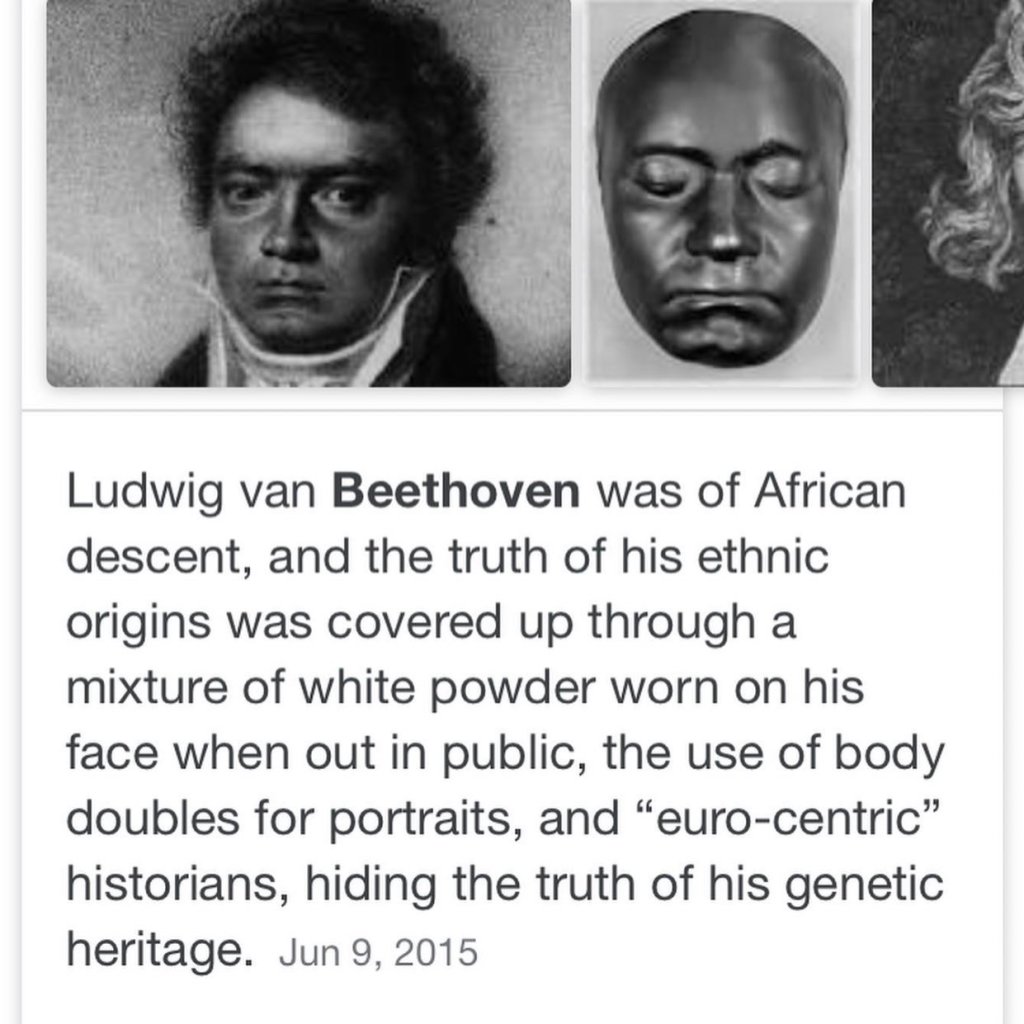
The idea that he may have been black or had recent black ancestry is mostly based on rumours and people not understanding that language evolves and the meaning of words changes, especially after centuries.
To contemporary Germans Beethoven was a little darker, he had dark hair and dark eyes, we know this from his portraits and descriptions.
Because of this people described him as ‘dark brown’, ‘Moor’, ‘Swarthy’, ‘Dark’, having a resemblance to a mulatto and as having a ‘dark complexion’.
Which of course sounds strange to our modern ears and indeed seems to suggest he wasn’t white.
But in Beethoven’s time very white Germans used these words to describe someone who had dark hair, dark eyes and was perhaps a little darker than they were.
For actual black people or those of mixed race people they did use the word Moor but also other words like ‘neger’ and ‘mulatto.
Beethoven’s nickname was ‘the Spaniard’, people from Southern Europe were and sometimes still are considered to be a bit darker than from Northern Europe, but we wouldn’t call them black today.
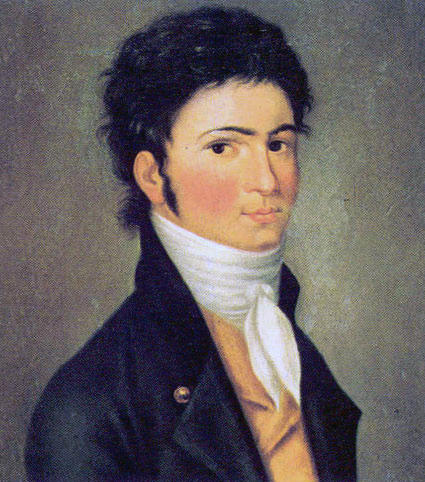
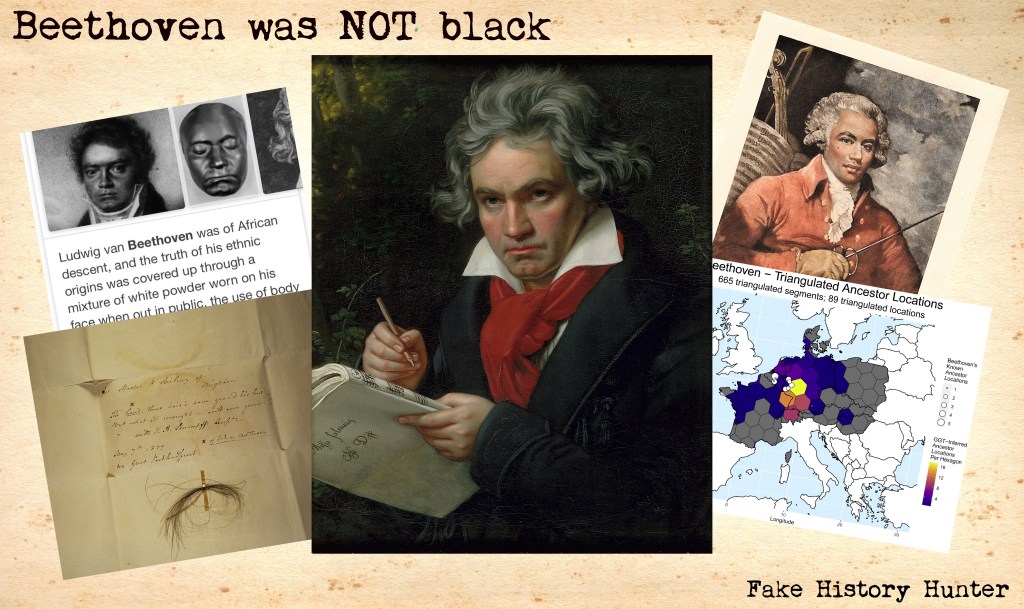
Of course those who want to believe he was black ignore the paintings that show him as white or claim they were all whitewashed, they in stead cling on to depictions like these;
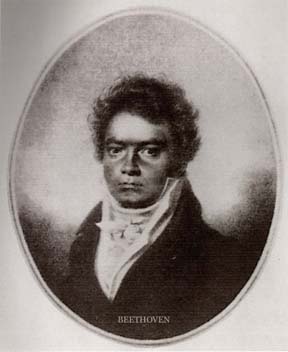
Yes he sure looks dark in that version, but here’s the same image printed in a slightly different way;
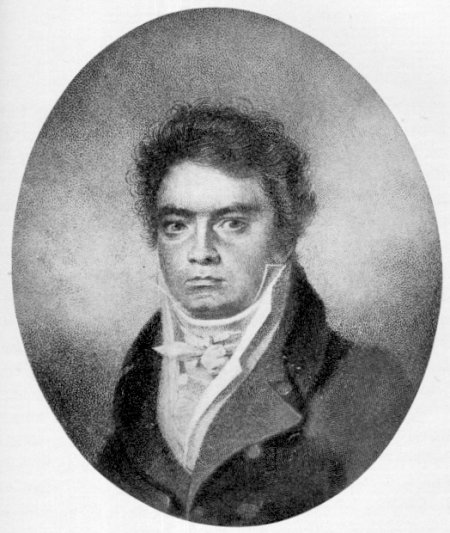
And here’s a coloured in version;
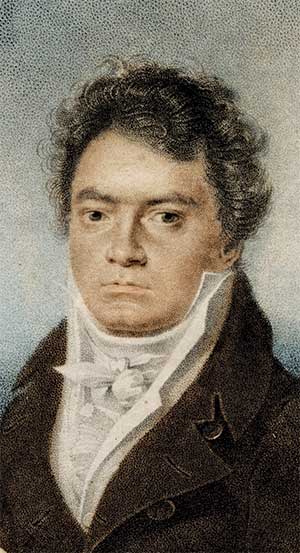
Beethoven was very famous, lots and lots of portraits were made, many by people who had never even seen him.
Which is why we should focus on the ones we know he personally posed for, the ones he liked and the ones people who knew him called lifelike and accurate.
And we have those sources.
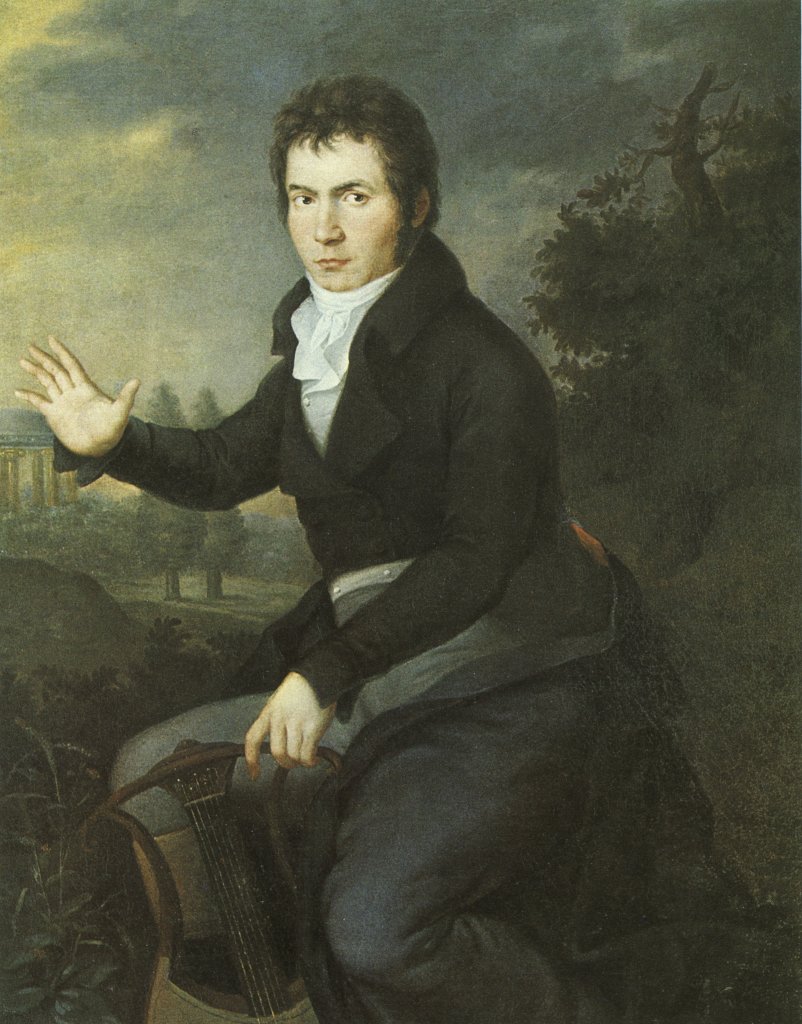
This painting for instance was painted by Beethoven’s good friend Joseph Willibrord Mähler. Ludwig loved the portrait and owned it himself till his death. So it was painted by someone who knew him and Beethoven was happy with the result.
Which makes it a lot more likely that it depicted him accurately than the countless cheap pictures made by unknown artists.
But tens of thousands, maybe more, people had seen Beethoven in person, seen him perform, at public functions, etc.
He was famous, people wanted his portrait on their walls.
If Beethoven had been black and portraits had shown him as white, it would have come up.
Although people gave him nicknames based on his dark hair and dark complexion, nobody who ever met him actually described him as being a Black man. That includes George Bridgetower, a composer who was Beethoven’s friend (and later enemy) and had a Black father. If Beethoven came from a similar background, George would have mentioned it!
Even if there was some sort of mysterious conspiracy where Beethoven pretended to be white or kept his black ancestor secret, he surely would have told his friend and when they became enemies, would George not have used that information?
And yes, there were black composers who became famous, of course there was racism and these composers had it difficult, but there was no real reason for there to be some mysterious centuries long conspiracy that involves (literally) whitewashing all the art or forcing Beethoven to pretend he was white.
Yes some people literally think he wore makeup to hide his real skin colour.
These black composers had their portraits painted, the media wrote about them and nobody tried to cover up their skin colour or background.
One of them, George Augustus Polgreen Bridgetower, even became friends and later an enemy of Beethoven, but he never claimed that Beethoven was black.
This entire discussion is a waste of time, time that could be spend on talking about those other black composers.
I’ll make up for that by mentioning a few of them at the end of this article.
So there’s no real reason to assume Beethoven was black, some people using words that we misunderstand today is not evidence.
But people sometimes also share his death and/or life plaster casts to support the theory, like these:
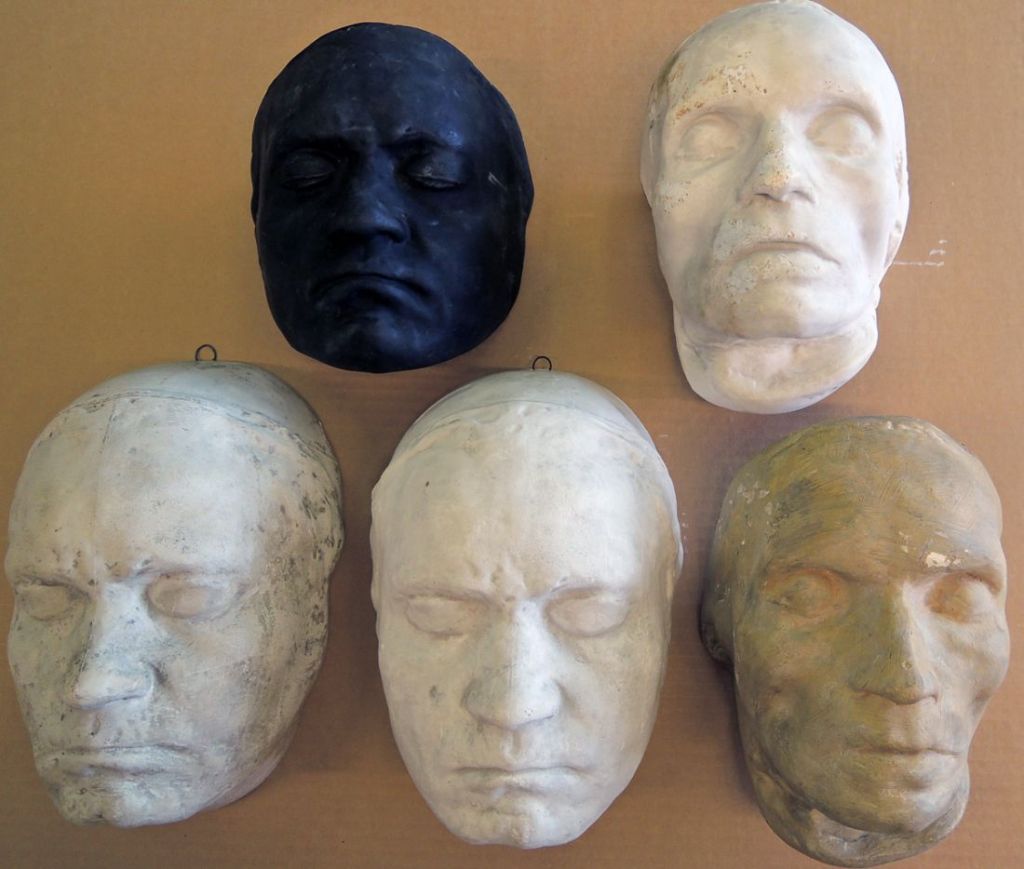
Some people look at these and see evidence for him being black, but that seems to be wishful thinking.
Beethoven’s family tree has been extensively researched, so we know who his parents and grandparents were.
The Beethovens can be traced back to before 1500 and pretty much all of them were Flemish; there’s no trace of Spanish or African ancestors.
Part of the claim is based on the idea that one of Beethoven’s ancestors had a baby with a dark-skinned Spanish person descended from a Moor.
The ‘Moor’ bit is a strange part of this story. The low countries of Europe were indeed occupied by the Spanish in the sixteenth, seventeenth and early eighteenth centuries, long after the Moors had occupied Spain.
The Moors, who hailed from roughly the area we now call Morocco, had lost control over most of Spain by the thirteenth century and were mostly Amazigh/Berbers, comparable to modern day Moroccans, who are typically fairly light skinned. But all of this was long before Beethoven was born in 1770.
So, if you look at all the evidence, or lack thereof, it’s already clear that it is extremely unlikely for Beethoven to have been black or even have had a recent black ancestor.
But the real nail in the coffin for this story are the DNA results that were published in 2023.
Scientists managed to get their hands on eight locks of hair that were claimed to have belonged to Beethoven.
Some of these turned out to have not been Ludwig’s, but 5 samples were determined to have been his, they belonged to the same person and had reliable provenance (some were given by Beethoven himself to friends).
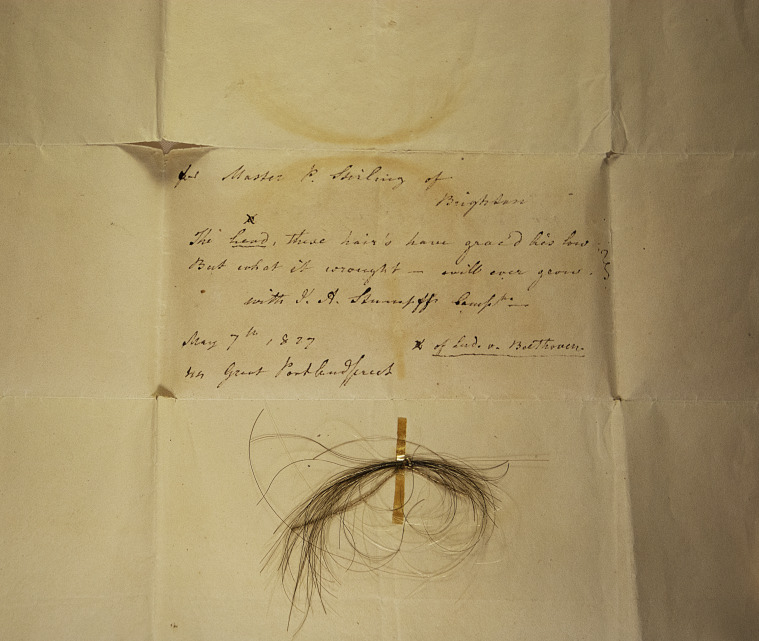
The hair samples allowed the scientists to study his genome and trace his ancestry.
Beethoven was more than 99% European and so were his direct ancestors.
A link to the full DNA research can be found at the sources at the bottom of the article.
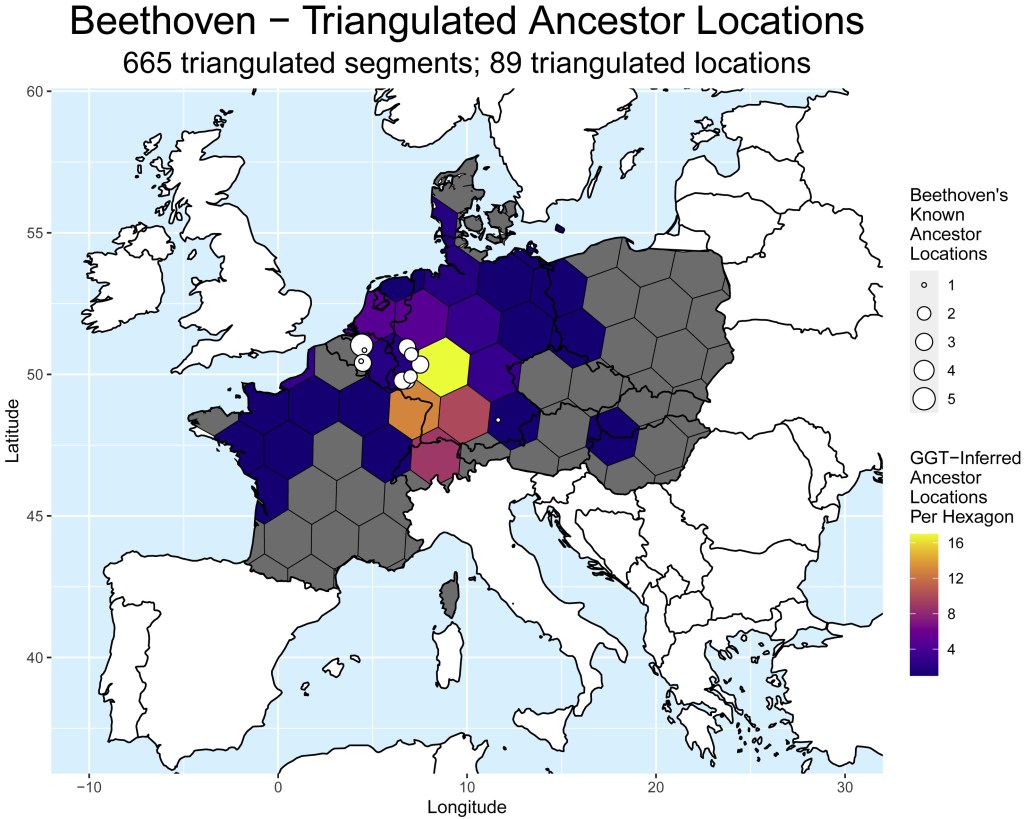
This completely destroys the claim that he or one of his recent ancestors was black, I’m sure there will still be people who will desperately hang on to the old story but they’ll have to prove a team of very qualified scientists wrong or come up with really silly conspiracy theories.
I’ll end by sharing some information about composers who actually were black, had a black parent or were in some other way not white/European.
Instead of going on about if Beethoven was black or not, talk about them in stead, they deserve the attention.
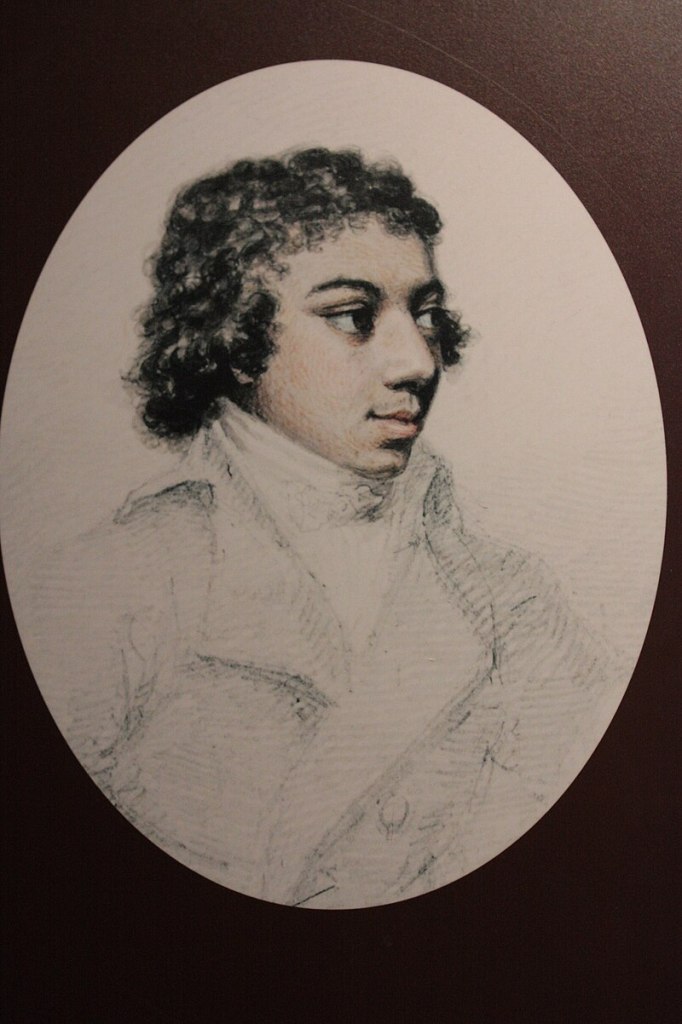
George Augustus Polgreen Bridgetower (1778– 1860) was born in Poland to a Swabian mother and a (probably) West Indian father who, according to George’s baptismal record, was an African prince. He moved to London and was wooing the public on stage at the Drury Lane Theatre as a solo violinist when he was just ten years old.
He toured Europe, performed for royals and presidents, and also with Beethoven, who was very impressed by George’s talent.
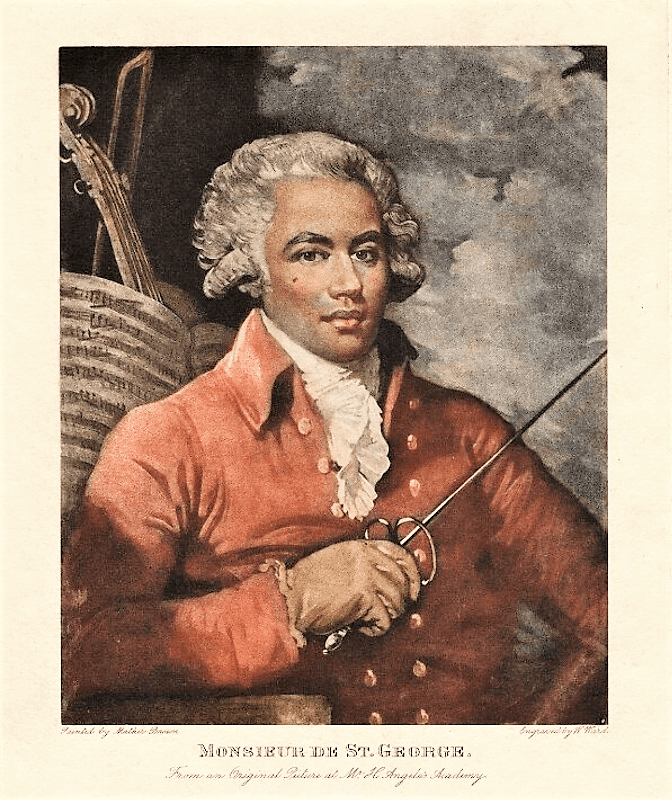
Joseph Bologne, Chevalier de Saint-George (1745–99), was born in the Lesser Antilles. His father was a planter and his mother an enslaved 16-year-old of Senegalese origin. Although Joseph was illegitimate, his father still acknowledged him, gave him the family name and took him to France for an education. Joseph became an officer of the king’s bodyguard, was admired for his fencing, horsemanship and dancing, and was quite popular with the ladies (which, if you see his portrait, makes a lot of sense). He was very
talented with the violin and started composing music and operas, and became a star in France and England, both as a fencer and composer.
Some called him ‘the black Mozart’.
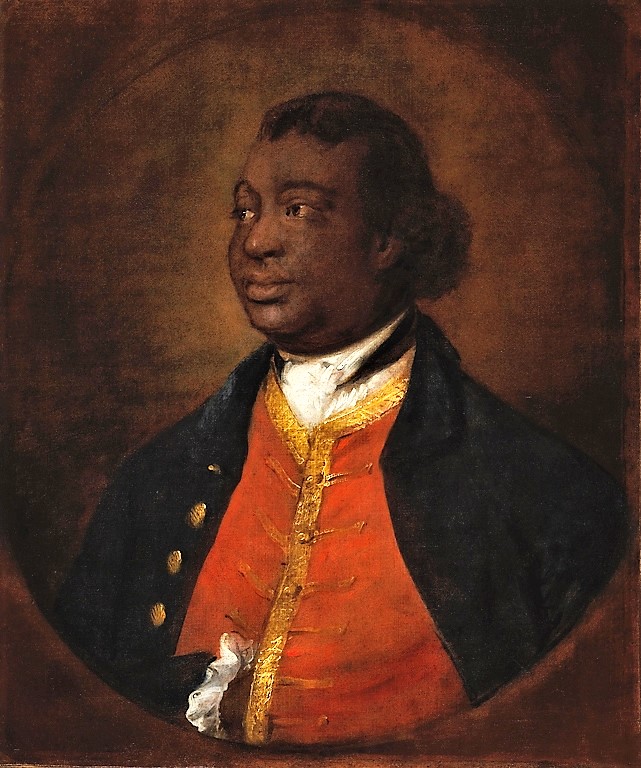
Charles Ignatius Sancho (c. 1729–80) was born on a slave ship, taken to England and given to two sisters to be their servant when he was only two years old.
But he couldn’t bear working for them and ran away to a duke who had often visited the sisters and was impressed by the boy. At the duke’s house he was taught to read and immersed himself in music and poetry. When the duke and his wife died, they left Charles a substantial amount of money. He got married, had seven children, opened his own shop, wrote stories and plays, and composed music. He was the first person of African descent to vote in a general election in Britain and the first to receive an obituary
in the British media.
If you want to know more about black composers, check the link to the Historic Composers Directory in the sources below.
Sources:
- Genomic analyses of hair from Ludwig van Beethoven
- Beethoven scholar William Meredith about how Beethoven was described.
- Beethoven scholar William Meredith about the Beethoven Genome Project
- Historic Composers Directory
If you enjoy my writing check out my book, it has a whole chapter on this Beethoven myth in it.

If you like my work, please consider supporting me on Patreon;

Disclaimer;
Picture(s) found online, used for (re-)educational and journalistic purposes only, it falls under ‘fair use’.
I do not own the copyrights to these images, I only share them here for educational purposes to try and make sure the real story behind it becomes known and people will stop spreading false information.
If the copyright owner objects to the sharing here, kindly contact me and I shall alter the article.
If you’re interested in using any of the images here get in touch with the copyright owners mentioned in the article.
Feel free to contact me with questions.
 Fake History Hunter