
Most history books are about kings, politicians, wars and the rulers and shakers who shaped the world of our ancestors.
Luckily these days there’s a lot more attention for what life was really like for the common people, the housewives, teachers, shopkeepers and soldiers.
I’ve always been more interested in that side of history and I feel truly blessed to live in an era where the focus seems to be shifting towards this subject that today is often called ‘Social history’.
In the past of course a lot of writing was about the rich & famous, so you may think that if you want to know more about your average Joe, there won’t be as many sources.
And although that is true, there is still an enormous amount of documents available to us; the day to day paperwork of the bureaucracy.
Archives are full of fines, trials, witness accounts, complaints, etc.
The stuff that at first seems boring and because it’s about common people many of these records have hardly ever or never been properly researched by historians.
But when they do, these papers turn out to be little gold mines.
The author based her book ‘Dievenland’ (Land of thieves) on these old criminal cases.
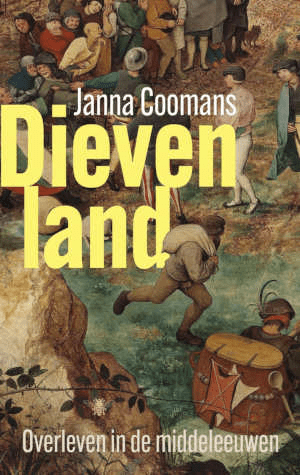
Janna Coomans is Assistant Professor at the department of Medieval History at Utrecht University and she is one of those historians who just loves spending countless hours searching through all these old documents.
Her previous book ‘Community, Urban Health and Environment in the Late Medieval Low Countries’ from 2021 (read my review here: WordPress or here: Substack) was also the result of her looking at documents often ignored by others.
For this book Coomans looked at confessions of people suspected of crimes:

I love this so much, every word in these records gives us an unique and often intimate insight into what daily life really was like in the 15th & early 16th century.
The book is superb, I really enjoyed it, in this review I’ll share some of the bits I found most interesting.
Important: the book was written in Dutch (0riginal title Dievenland) and has not (yet) been published in English.
For this review I’ll share quotes that were translated by Google, which although pretty good, it’s not how the author herself perhaps intended it.
When/if an English copy comes out I’ll replace the quotes.
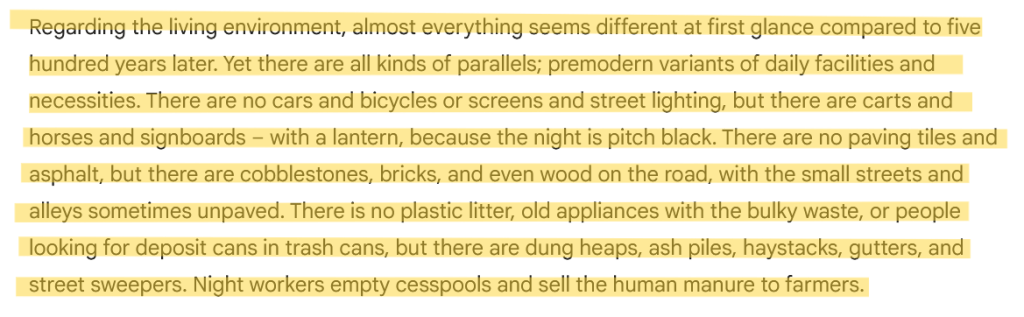
Coomans begins her book with describing the medieval world, explaining the differences wonderfully, showing the contrast but also similarities:
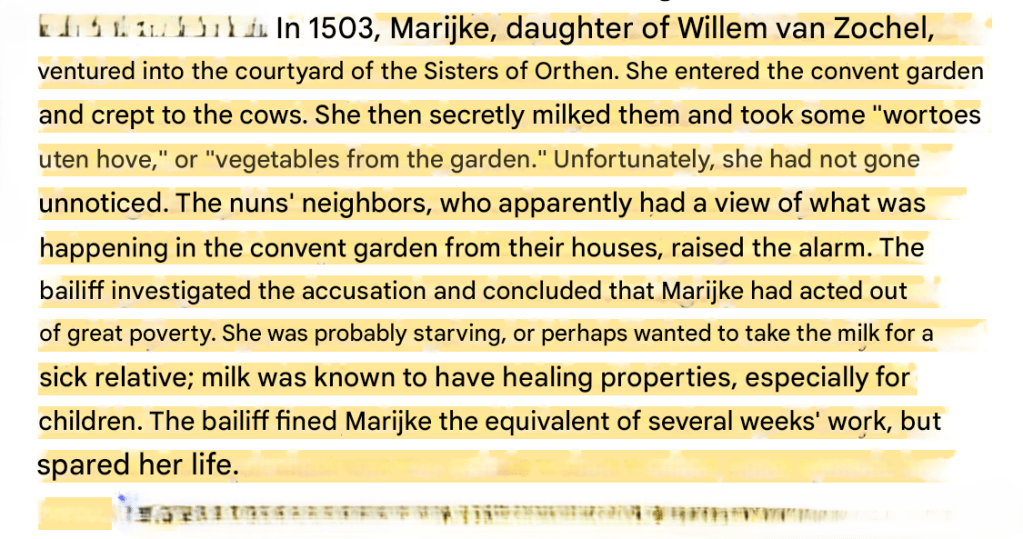
A common misconception about the middle ages is that those in charge were very generous with handing out the most brutal and extreme punishments, although they did have plenty of horrific ways to make you regret committing a crime, they weren’t handing those out that much;

It makes sense that receiving money was more attractive than ending up with a dead body.
And this is one of the reasons I love books like this, here we have a glimpse of real people’s lives, we read the names of people who without this one situation would have completely vanished into the mists of time.
But just because Marijke, daughter of Willem, wanted some milk, we now know she existed.
Besides learning about her situation, this story also shows us a side of early-modern justice you may not expect, lawmakers being compassionate and forgiving, caring about her circumstances and not giving her the punishment they could have:
Looking at what people stole also tells us a lot about what another aspect of medieval life was like:
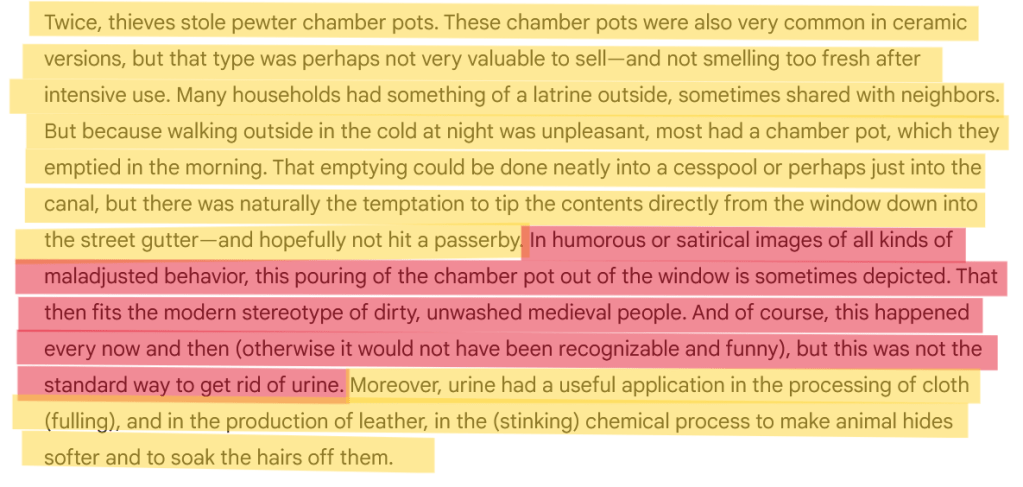
Here we learn that outhouses were very common, that people used a lot of chamber pots and that the whole idea of everyone just emptying those out of windows into streets is a trope, more Hollywood than History.
Coomans also explains why throwing urine away was silly.
This is a depiction of the middle ages I’ve been fighting for years, so it’s great to have another historian on the right side of this battle.
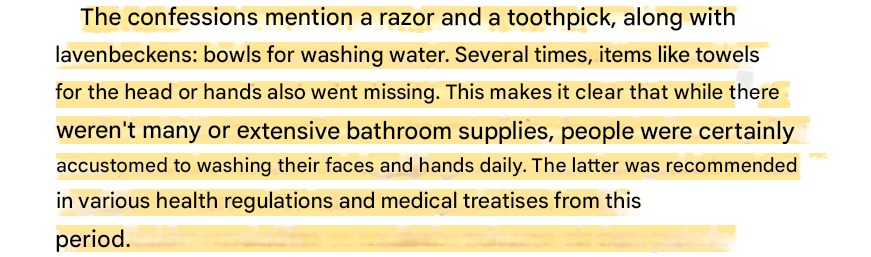
And these objects thieves had stolen deal with another myth, the one that medieval people rarely washed and didn’t care about hygiene:
Okay, yes, I know, stealing donation money is bad, but what Otto did is a bit impressive:
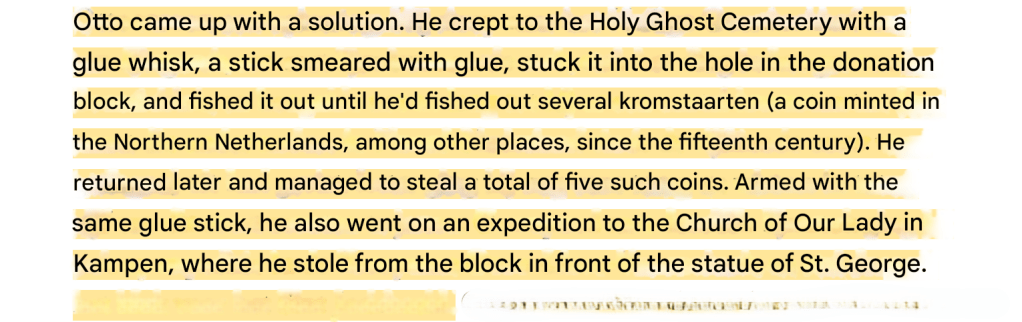
Otto received no mercy and was executed.
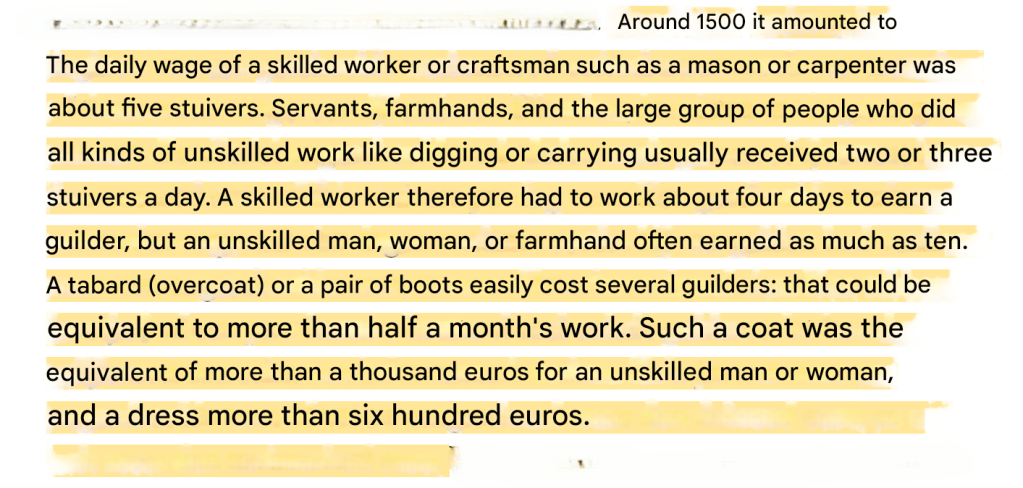
In many of the records thieves are convicted of stealing clothes and are punished harshly for it, to us this may seem odd, but that’s because most clothes today are not that valuable.
Back then that was different, Coomans explains;
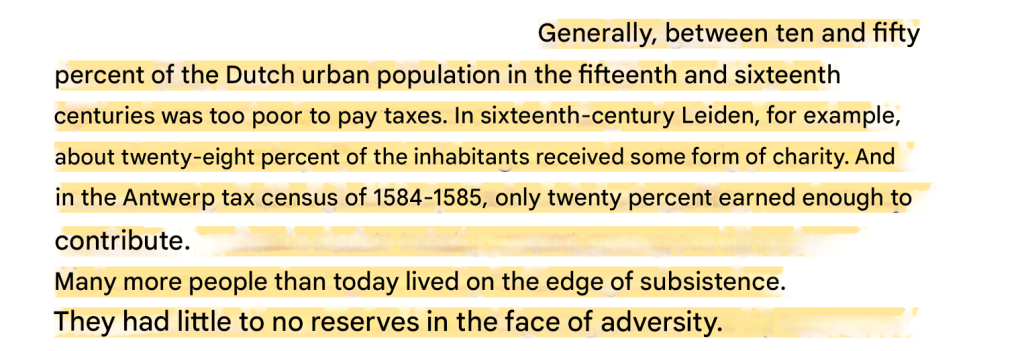
Poverty was a much more serious problem then than it is now, as least in most European countries today:
I always liked the whole right of sanctuary and was genuinely disappointed when I found out that it was no longer a thing, not that I was planning on needing it… honest:
This is another important detail, sometimes we get the idea that just an accusation would be enough for someone to get hanged, that you were guilty until proven innocent in stead of the other way around.
In reality false accusations were taken very seriously:

And yes, that also happened when people accused someone of witchcraft;
People cared about motives, poverty & need were sometimes an acceptable excuse, but only if you were of good reputation;
While writing about another case where someone was given leniency because the criminal was young, had 2 kids and a pregnant wife, Coomans takes the opportunity to deal with another stubborn myth about the middle ages, people getting married young:
Although I don’t hear it as often as I used to, there are still some who claim that Medieval people treated teenagers and even children as adults, but that’s not true.
Often becoming an adult was connected to reaching a certain milestone, like marriage, or finishing an apprenticeship, not just reaching a specific age.
In some cases people were considered not-yet-mature till much later than they do now.
This explains why marrying young was rare and why being young did get you treated differently:

And once more we’re reminded of the fact that Medieval people weren’t always as backwards as we long thought they were and that in some ways they were more progressive than some places on earth today:

And once more we’re shown a medieval life that is less backwards than we’re often told it was:
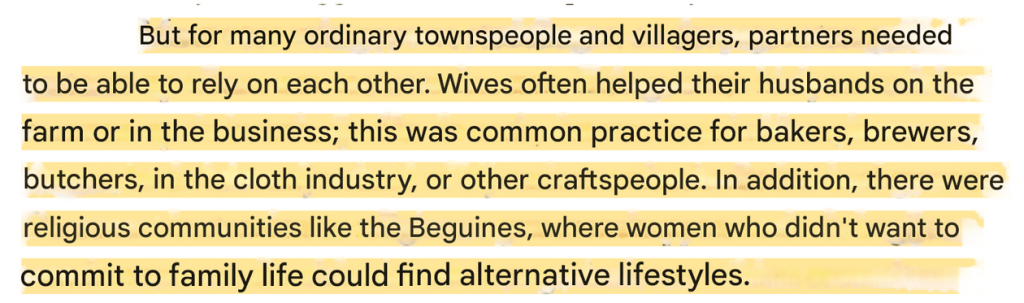
As I’m totally obsessed with medieval hygiene, I love that Coomans can’t resist explaining a bit about bathhouse culture of that era, many people seem to think they were all brothels but in reality most were just bathhouses, you’d take your family there, meet your neighbours, chat about the weather.
There were strict laws about what was and what wasn’t permitted and although naughty people continued to be naughty, the records show that folks did not approve:
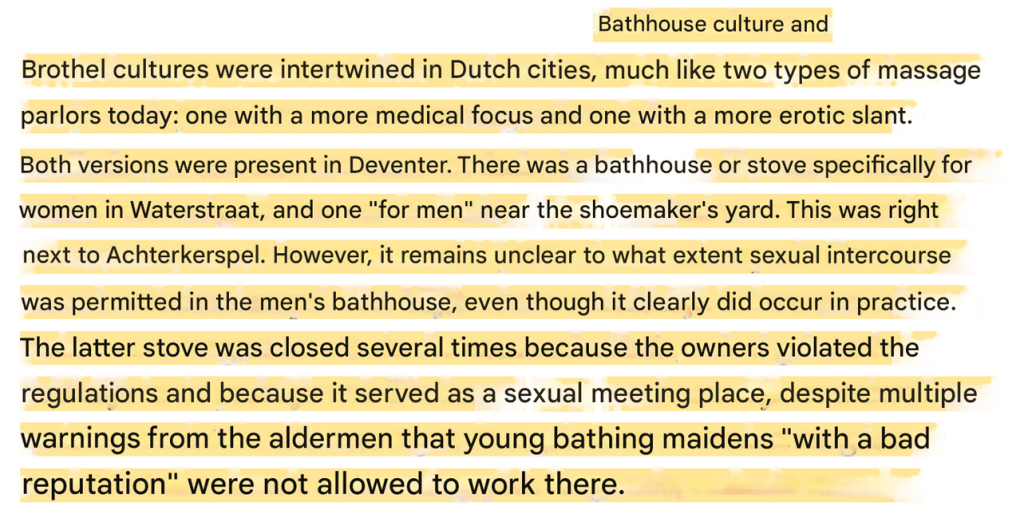
And this is something I keep having to explain to people:
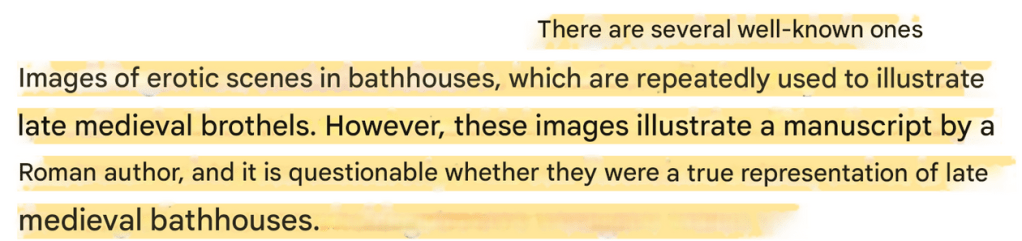
Many of the famous images of medieval bathhouses are actually meant to depict Roman or biblical stories, what we’re seeing is what a medieval illustrator thought happened in those ancient bathhouses.
Of course they still used their own time & world as inspiration, so it’s probably not that far removed from what medieval bathhouses looked like, but the things happening there are from older stories.
I just can’t get enough of little stories like these, imagine that the only reason you will be remembered centuries later is because you were a silly angry drunk, Lambert, you loser;
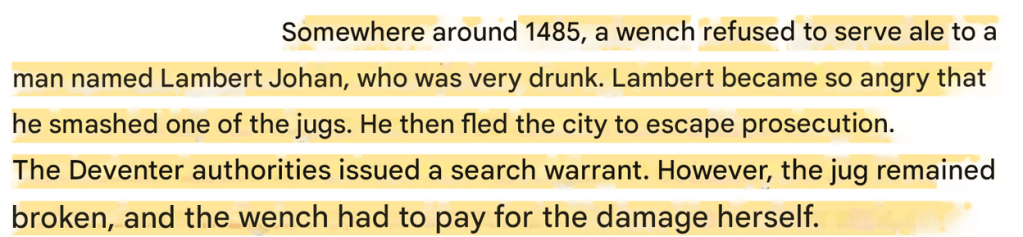
But it’s also sad, because I would love so much to know more about these women their lives but all we’ll ever know are their names and that they got in trouble with the law:
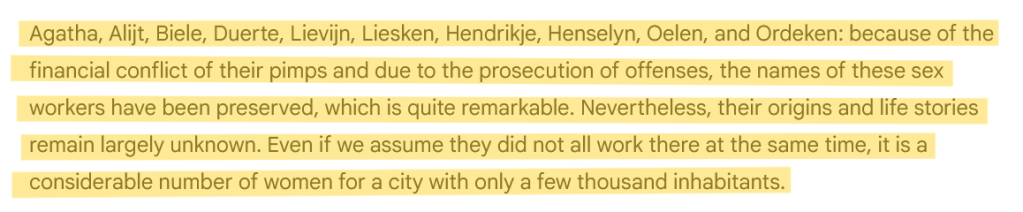
More evidence of courts & law enforcers taking their job seriously, trying to solve problems and choosing fines to severe punishment more often than not:
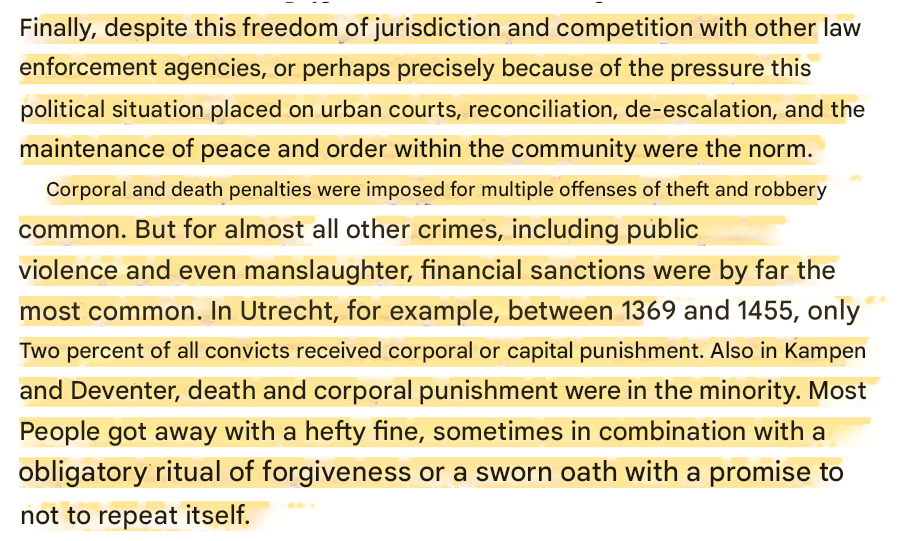
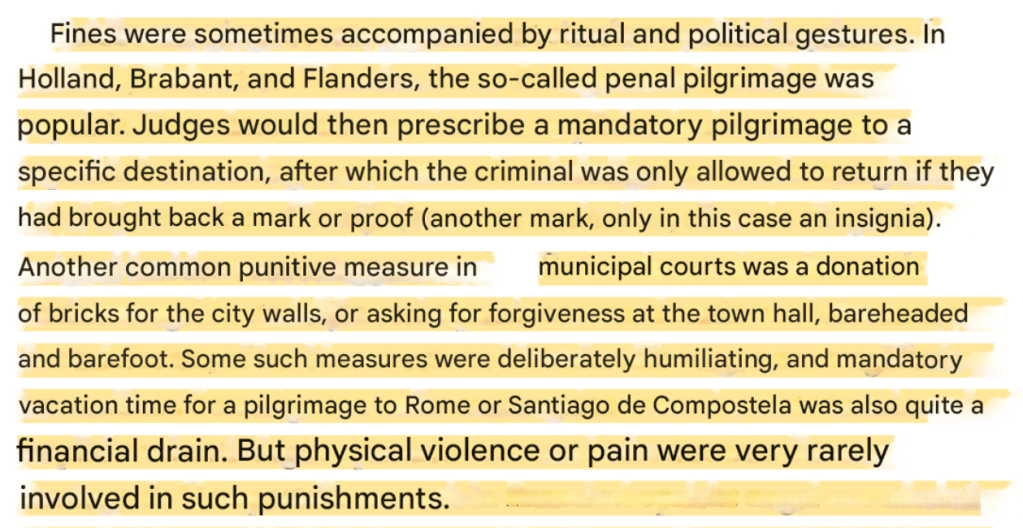
And sometimes they seem to have a solution that might be better than the ones we have today.
I like the idea of forcing criminals to go on a long journey, it will be expensive, cost a lot of time but will at the same time give the bad guy a perhaps life changing experience.
Seeing new parts of the world, meeting people from other cultures, etc. all those things enrich you, they can alter your character:
Here my review ends.
I loved the book, it is full of so many little stories about common people getting into trouble while at the same time using all these glimpses of the past to give the reader a whole new perspective on what life was really like back then.
I hope that an English version will be published.
 Fake History Hunter
This book sounds amazing! Please let us know if an english translation is released.
LikeLike