
This article was originally a thread on social media, which is why it is formatted with lots of images and short responses.
The text is about the image below that paragraph.
If you find this book in your kid’s school library, get it removed, it’s so bad.
I’m just going through a few of the history pages and there’s so much wrong with it.
If you dare, you can find it here online.
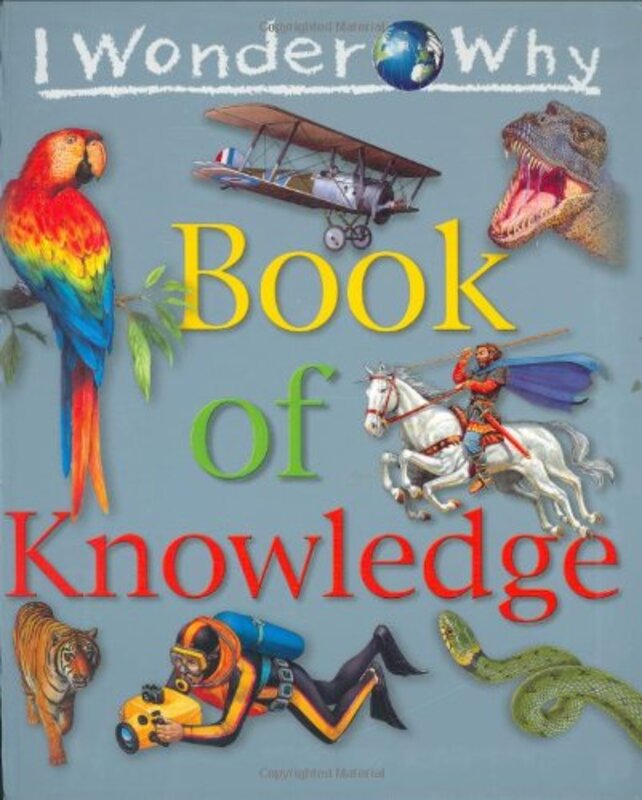
It is about LOTS of subjects, so feel free to go through it and see what else you can find that’s wrong. But I’ll stick with the middle ages.
No. Although of course nobody who ever lived then or today can say what most people on earth ever thought about anything… we have no evidence to believe the majority of humankind thought the world was flat during the middle ages.
Quite the opposite, everything we know suggests that it was generally accepted to be round;

Ok bonus points for regularly bringing up what other cultures outside Europe were doing at the time:
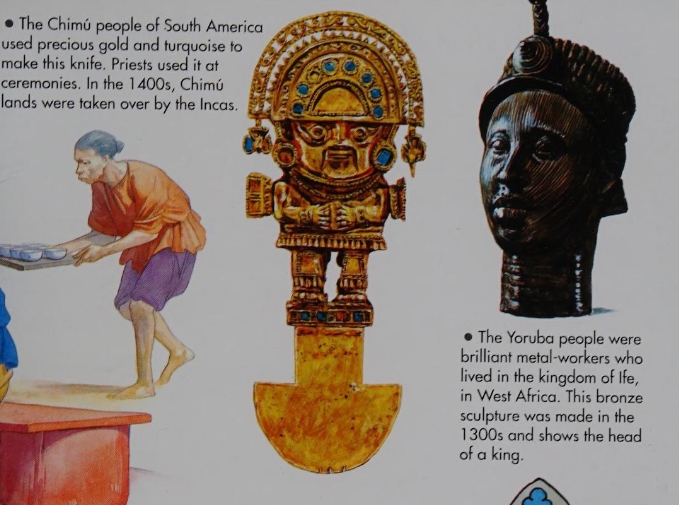
Oh really?
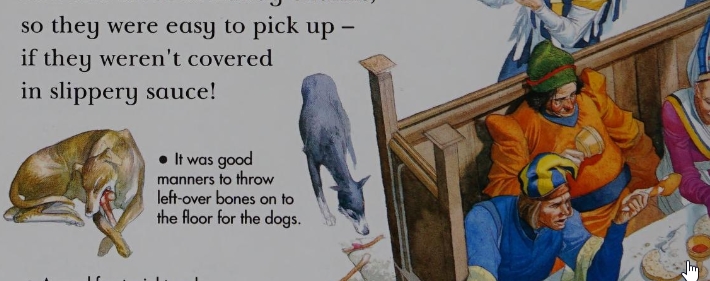
Source?
Boiled/cooked bones become brittle and break easily into splinters. Don’t feed them to your dogs, give them raw bones in stead:
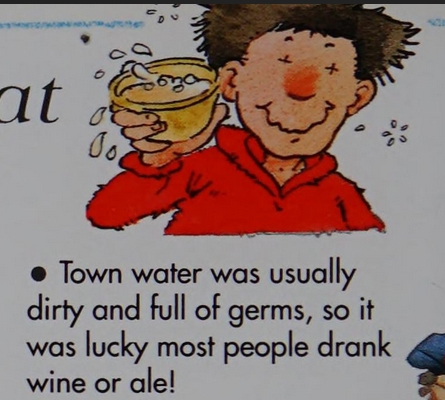
Generally Medieval people had relatively easy access to clean water and drank lots of it. Ale was a cheap and tasty way to preserve and consume grain and provide drinkers with nutrients, carbs and proteins.
But they didn’t drink it as a replacement because water was dangerous:
Well at least this is correct;

Oh come on.
Yes some dirty anti-social people did this but by putting it in a kids book like this, you’re suggesting this is what medieval cities looked like, that it was common.
You put the people underneath it being upset and angry!
You show why it makes no sense!
If you did this you didn’t just risk a serious fine, you’d also risk someone putting a fist in your face:

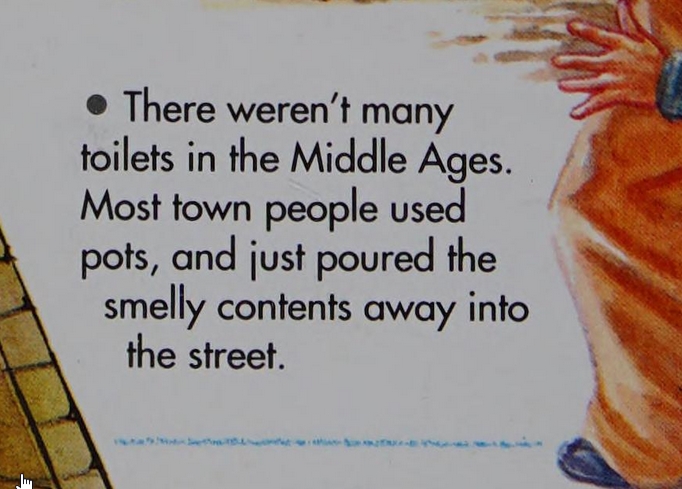
There were LOTS of toilets in the middle ages, most houses had one, although often there were little more than a board with a hole in it over a cesspit.
But there were also public toilets, sometimes with nice tiles, running water gutters underneath, just like in Roman times.
Although gutters (like today) were used for some waste, using them for human waste, especially solids, was usually illegal and would of course make your neighbours furious:
Although true, by the time this book was published quite a lot of historians already agreed that it was probably the fleas and their human carriers that did most of the spreading because the plague travelled too fast for it to just have been rats:

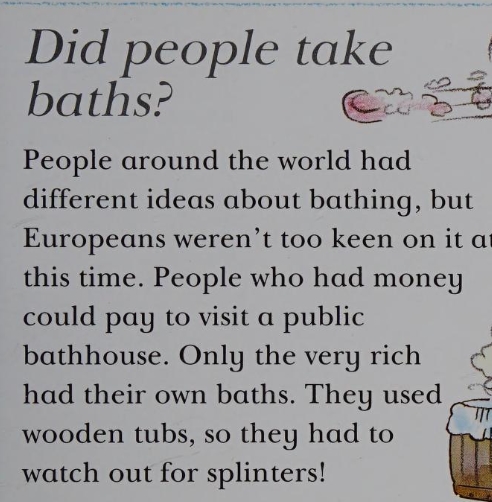
At “this” time, are they suggesting the whole middle ages?
Europeans were very keen on bathing, bath houses were very affordable and popular, they regularly were even free for the poorest.
Tubs were not that rare, although much smaller for common people.
Medieval coopers were very professional, they could make tubs without splinter risk, even if there was that risk, people often lined the tubs with fabric:

Sigh.
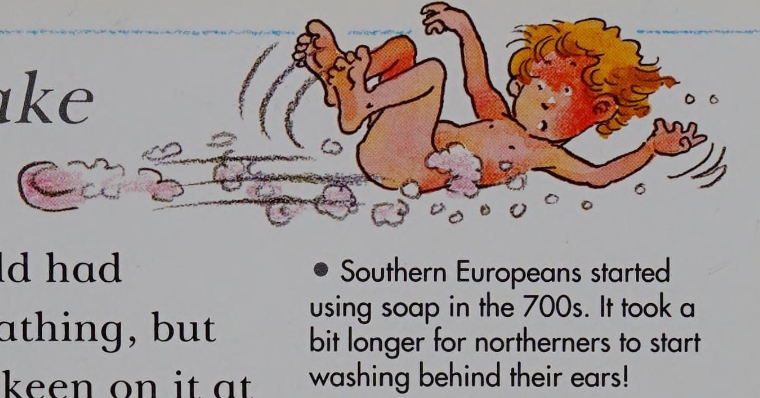
The Romans wrote about encountering tribes of Celts in Western Europe who were using soap 2000 years ago.
Nobody knows when those tribes started doing that. It was they who introduced it to the Romans.
There were soap maker’s guilds in Europe since the 6th century:
Well at least the clothes are colourful;

Anyway, this book needs a bit of updating.
But to be fair, most history books need a bit of updating.
If you want to read more about why I think some of the things in this book are incorrect, you can read more here;
https://fakehistoryhunter.net/2025/11/26/articles-links-videos-about-medieval-hygiene/
 Fake History Hunter