
This is not YET another article on why calling the early middle ages the dark ages is iffy, it’s a list of sources & references.
These days most historians no longer use the term “Dark Ages” to describe the Early Middle Ages (roughly AD500- AD1500), we still use it for other eras, like the 1970s and 2020s, or maybe that’s just me.
Seriously though, the term has been a biased misnomer since its inception in 14th Century Italy, to put it in very simple terms; its all about some grumpy old Italian men (Looking at you Petrarch!) moaning about how things used to be better when their granddaddies were in charge, back in the good old days.
Later the term was changed to mean a lack of (mostly written) sources, but the name itself was always a subjective one, not an objective one, which is a bit silly.
Using emotional judgement for an era isn’t very scholarly, we don’t use the Jolly 1920s, the Icky Tudor era or the Dear God What Were They Thinking And Why Are They Wearing That 1980s as official serious descriptions of history chapters either.
Besides, if we look at all the excuses people use or have used to call the early middle ages the dark ages, we should be calling lots of other ages dark as well, pretty much most of history.
Anyway, as I said, this is not YET another article on why calling the early middle ages the dark ages is iffy.
This is just a one-stop page with a whole bunch of links to other people explaining you that.
Social media threads, books, articles, etc. all about why other historians think we should just stop using the term.
If you decide to or not to is of course all up to you, but at least now you know why so many historians get that eye twitch thing when you do.
And yes, I know, Dark Ages still does sound very cool.
If you think I am missing some articles, books, etc. let me know, also get in touch if something I shared is now considered outdated, has errors, etc.
Online articles:
- The Rise and Fall of the ‘Dark Ages’, article on Medievalists.net
- There’s No Such Thing as the ‘Dark Ages’, by Getty medievalist Larisa Grollemond
- Just How Dark Were the Dark Ages? By Joshua Learn
- Debunking the So-Called “Dark Ages” by Spencer McDaniel
- Why Was 900 Years of European History Called ‘the Dark Ages’? By Tristan Hughes
- There’s no such thing as the ‘Dark Ages’, but OK. By Eleanor Janega
- On contrarian history, by Eleanor Janega
- The Great Myths 15: What about “the Dark Ages?”. By Tim O’Neill
- The not so dark Middle Ages, by Paloma Pucci
- Back to the Dark Ages, by Kate Wiles
- The Light Ages by Seb Falk review – banishing the idea of the ‘Dark Ages’
- Fifty Years of Early Medieval History, by Julia M.H. Smith
- How the Middle Ages Became (Unfairly) Seen as the “Dark Ages”, by Aristocratic Fury
Related subjects:
- Romano-British Pottery in the Fifth Century, by James Gerrard
- Romano-British pottery in the fifth- to sixth-century Lincoln region, by Dr Caitlin Green FSA.
- The Perils of Periodization: Roman Ceramics in Britain after 400 CE, by Keith J. Fitzpatrick-Matthews
Social Media threads:
- Twitter thread about why it is not a political position to argue that the term ‘Dark Ages’ is a misnomer, by Flint Dibble
- Twitter thread about early Medieval writers, by Sam Ottewill-Soulsby
Books:
- The Inheritance of Rome: Illuminating the Dark Ages 400-1000, by Chris Wickham
- The Light Ages: The Surprising Story of Medieval Science, by Seb Falk
- Digging into the Dark Ages, Early Medieval Public Archaeologies, multiple contributors
- The Bright Ages: A New History of Medieval Europe, by Matthew Gabriele & David M. Perry
- Middeleeuwse medemensen, by Jonas Roelens
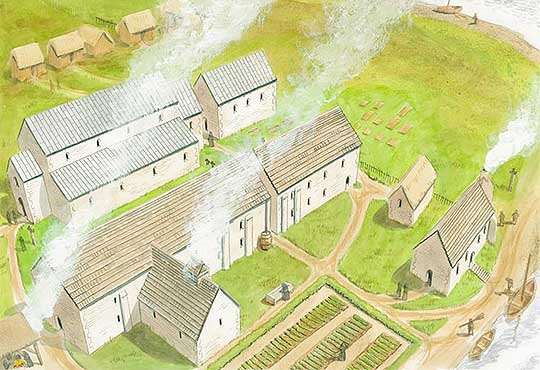
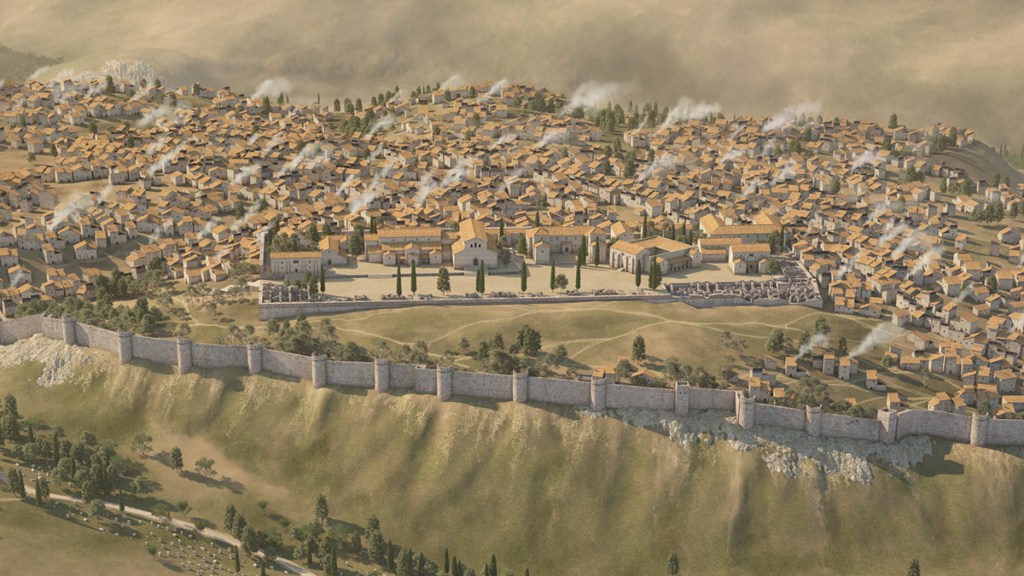
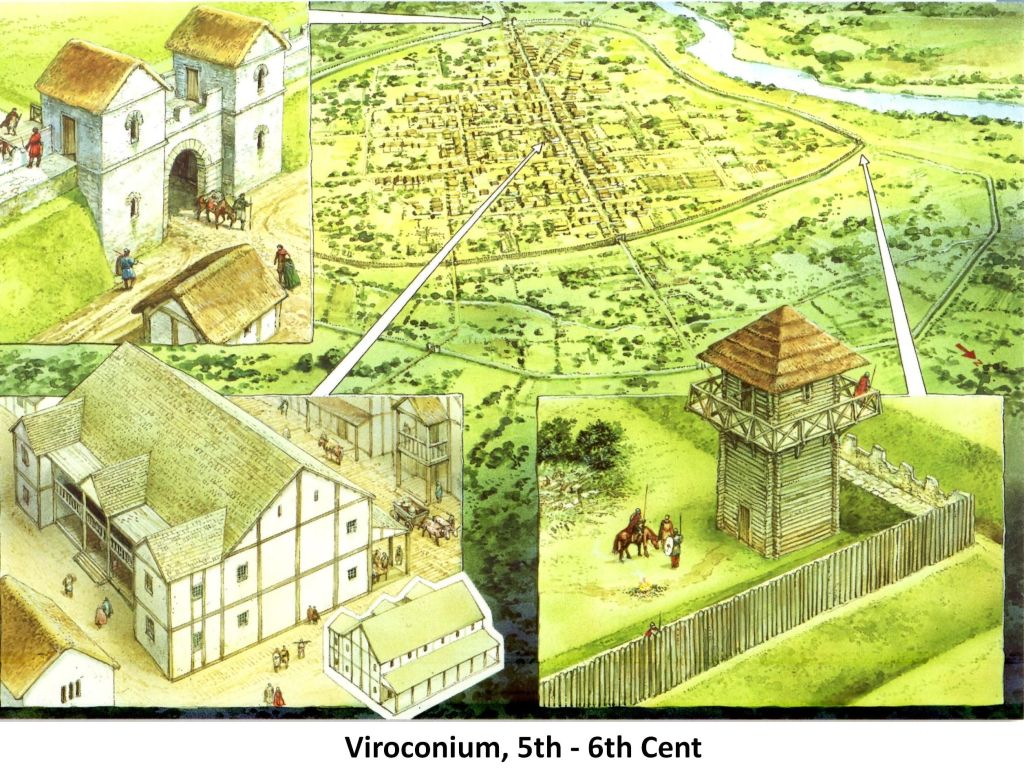
Illustrations:
Youtube videos:
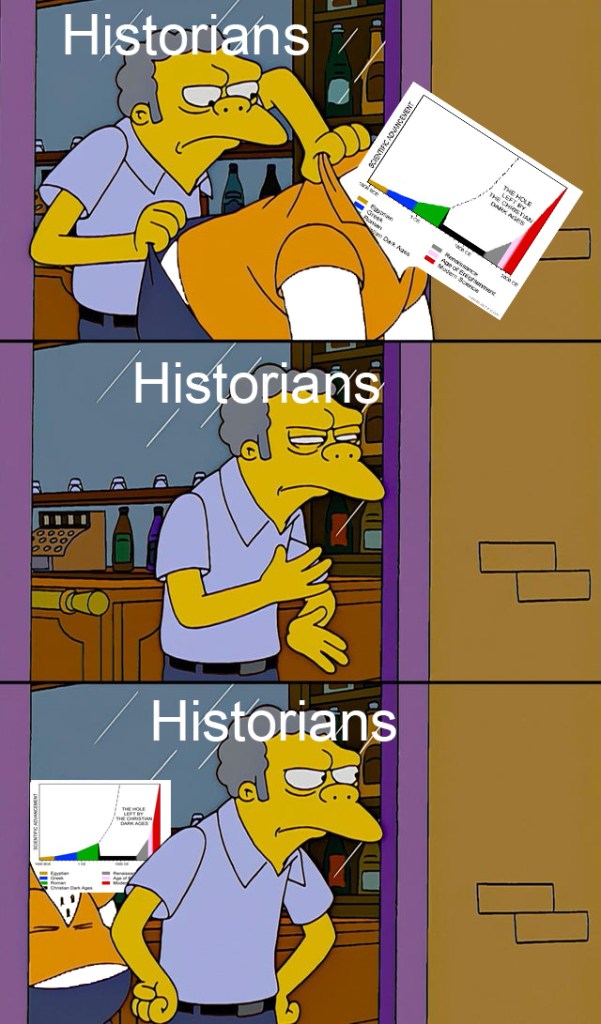
 Fake History Hunter
I think they should call the Early Middle Ages “The Days of Yore”.
LikeLike
A significant population decline, collapse in trade, loss of many cities, and increase in interpersonal violence going along with a general decline in the written records on it from the Early Middle Ages sure seems like a “Dark Age” to me. Even if they were eating better in between the times when they died violently.
LikeLike
Where do I send more articles? I’ve been saving all I come across for years.
This one for instance:
https://aristocraticfury.substack.com/p/how-the-middle-ages-became-unfairly
LikeLike
Excellent, you can post them here or dm them to me on twitter or bluesky or via my facebook page 🙂
LikeLike